
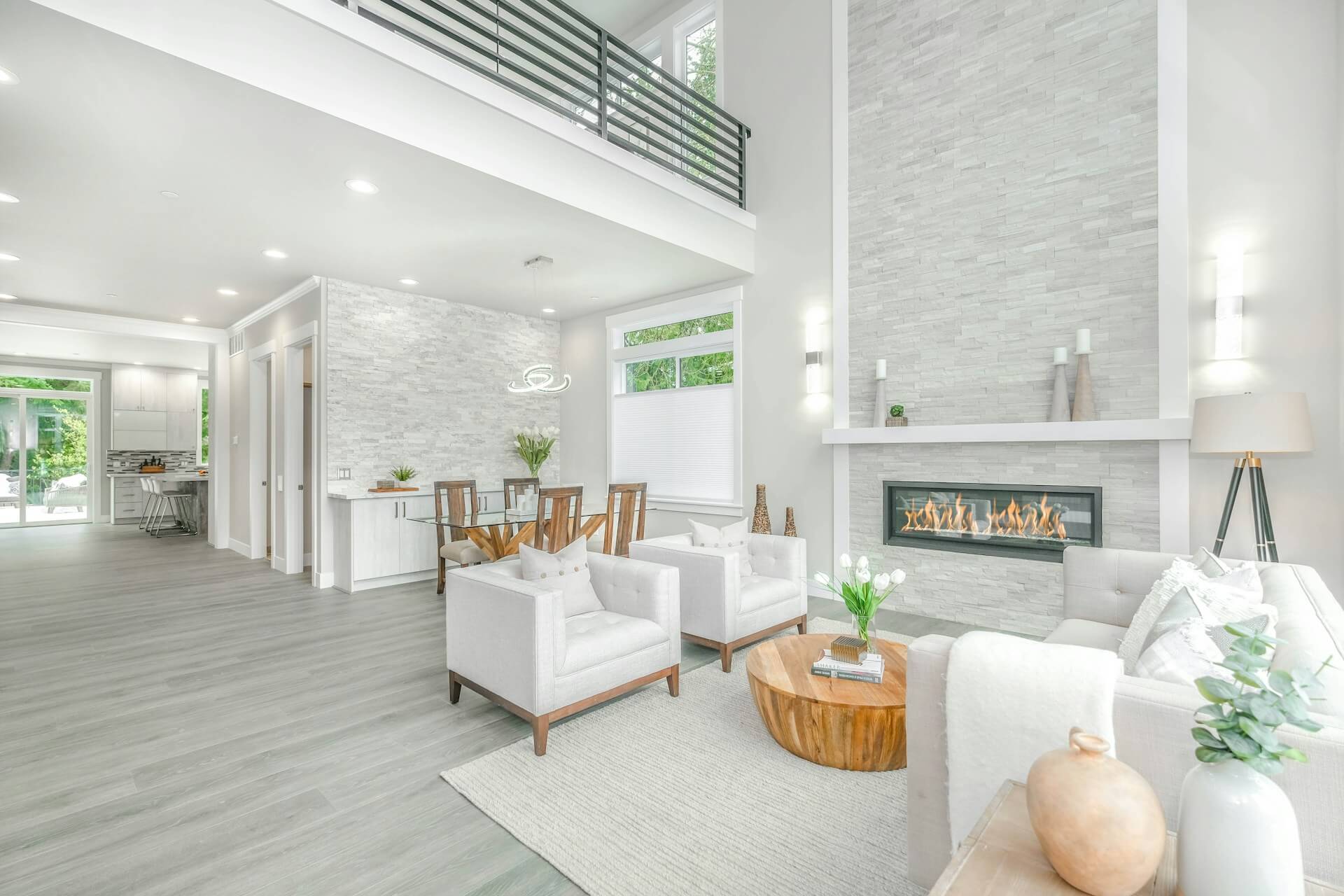
Most buyers spend less than 20 minutes touring a home before deciding whether to make an offer, yet that brief window determines one of the biggest financial decisions they'll ever make. The problem isn't lack of time - it's knowing what actually matters when you're standing in someone else's living room with perfectly arranged furniture and strategically placed candles. You're capable of seeing past the staging and marketing polish, but you need a systematic approach that works every single time you walk through a front door. This article gives you seven specific things to evaluate during any home tour, starting with the deal-breakers that should immediately influence your decision and moving through the practical details that help you compare properties objectively. You'll learn how to spot maintenance red flags that sellers hope you'll miss, evaluate whether the layout actually works for real life instead of photo shoots, and recognize pricing signals that indicate whether you're looking at a fair deal or an overpriced property. The framework follows a logical sequence that prevents you from getting distracted by beautiful countertops while missing serious structural concerns or neighborhood issues. By the end, you'll have a repeatable process that turns every showing into a productive fact-finding mission rather than an emotional rollercoaster. You'll also understand how to use updated comparable sales data after your tour to make informed decisions about whether a property deserves serious consideration. Ready to become the kind of buyer who notices what really matters instead of what's meant to impress?
Start with the layout you cannot easily change
Wall paint takes a weekend to refresh, countertops require a few thousand dollars to replace, but structural walls and room configurations demand major renovation projects that most homeowners never tackle. You need to assess the bones of a house first because these permanent features will either support or sabotage how you actually live in the space.
Test your daily routines in the space
Walk through your typical morning routine while standing in the master bedroom - can you move from bed to bathroom to closet without creating a traffic jam if your partner is also getting ready? Move to the kitchen and mentally prepare dinner while kids need homework help at the island or dining table. Set up your laptop on the counter or dining room table to test whether you can take video calls without family noise bleeding through thin walls. Consider how you'll manage pets during meal prep or when guests arrive, and whether you can supervise children playing in the family room while cooking. "From the moment a buyer steps through the door" you should be able to envision these real scenarios rather than admiring the staged perfection.
Key layout problems to identify
During your walkthrough, watch for these specific issues that will create daily frustration:
Choosing a home with gorgeous finishes but a dysfunctional floor plan means you'll spend years working around problems that beautiful tile and custom cabinets cannot solve.
Look for repair clues before you admire the finishes
Beautiful staging and fresh paint can mask serious problems that will cost you thousands of dollars after closing. Train your eye to spot maintenance issues first, then decide whether the granite countertops and hardwood floors justify the asking price.
Structural concerns and neglected upkeep reveal themselves through subtle but consistent patterns throughout a property. Hairline cracks along walls or ceilings often indicate foundation settling or structural movement that requires professional evaluation. Doors that stick or won't close properly suggest the house has shifted over time, while squeaky floors may signal loose subflooring or damaged joists beneath your feet. Peeling exterior paint, especially around windows and trim, shows where weather protection has failed and moisture could be penetrating the building envelope. Gutters pulling away from rooflines or missing downspouts indicate water management problems that affect the foundation and basement areas.
Moisture problems and indoor air quality issues demand immediate attention because they affect both your health and your wallet. "Water stains and mold are red flags" and can indicate expensive underlying problems with roofing or plumbing systems. Musty odors in basements, bathrooms, or closets suggest poor ventilation or hidden water damage that breeds mold and mildew. Windows that fog between glass panes have failed seals that reduce energy efficiency and require replacement. Test every faucet and flush each toilet during your tour - weak water pressure or slow drainage signals plumbing issues that could require extensive repairs. "Keep an eye out for any signs of possible water damage and be aware of any funky smells" because these problems compound quickly once moisture enters building materials.
Aging mechanical systems and cosmetic band-aids often hide expensive replacements lurking in your near future. HVAC units that sound loud or struggle to maintain temperature may need major service or complete replacement within months of purchase. Electrical panels with outdated breakers or visible corrosion pose safety risks and limit your ability to add modern appliances or charging stations. Roofing materials that show excessive granule loss, curled shingles, or temporary patches indicate a system nearing the end of its useful life. Fresh paint over wallpaper, new flooring that doesn't extend under appliances, or updated fixtures in rooms with obviously old plumbing suggest sellers addressed cosmetic concerns while ignoring functional problems.
Developing these observation skills protects you from expensive surprises and strengthens your negotiating position when you find issues that sellers hoped to hide behind surface improvements.
Pay attention to natural light and how the home feels over time
Professional photographers capture listing images during golden hour with strategic angles that maximize brightness, while real estate agents schedule showings during peak daylight hours when every room appears at its most flattering. You're capable of seeing beyond these optimized conditions to evaluate how illumination will actually affect your daily experience in the space.
- Examine the immediate brightness conditions and window arrangements throughout each room. Stand in the center of every space and scan for windows that provide direct sunlight versus those blocked by overhangs, awnings, or architectural features. Notice which corners remain dim even during your midday showing, and observe whether glare from large windows creates uncomfortable bright spots that would make reading or watching television difficult. Test whether kitchen counters receive adequate illumination for food preparation, and check if bathrooms have sufficient brightness for grooming tasks without relying entirely on overhead fixtures. Pay attention to rooms where you'd spend significant time - home offices, bedrooms, and living areas - to determine if they receive enough ambient light to feel comfortable and functional.
- Consider how seasonal changes and surrounding elements will alter brightness patterns throughout the year. A home's orientation plays a big role in how light moves through the space, with south-facing windows providing consistent illumination while east-facing rooms capture morning brightness and west-facing spaces receive afternoon warmth that can become intense during summer months. Mature trees that provide pleasant shade during your spring showing may block most winter sunlight when you need it most, while neighboring houses positioned close to windows can create permanent shadows that weren't apparent during your brief visit. Covered patios, deep eaves, and pergolas affect how much direct sunlight reaches interior spaces, and these architectural features may provide welcome relief in hot climates but create perpetually dark rooms in northern regions.
- Understand the long-term impact on your comfort, energy costs, and overall satisfaction with the home. Well-lit homes can reduce energy usage by 20–40% because you'll rely less on artificial lighting during daytime hours, while consistent daylight exposure has been linked to improved mood and sleep patterns that affect your daily well-being. Homes with consistent natural light tend to feel calmer, warmer, and more inviting than spaces that require constant electric illumination to feel comfortable. Natural light influences everything from how energized a space feels in the morning to how comfortable it stays throughout the day, creating an atmosphere that either supports or undermines your daily routines and productivity.
Evaluating illumination patterns during your tour helps you determine whether a property will continue feeling bright and welcoming after the initial excitement of homeownership settles into everyday living routines.
Check whether the storage fits real daily life
Listing agents love to highlight "plenty of closet space" and "abundant storage throughout," but these generic phrases rarely translate into functional organization systems that accommodate how families actually live. You need to assess whether the available storage supports your specific routines, possessions, and lifestyle demands rather than simply counting the number of closets or cabinets.
Evaluate storage in the rooms you use every day
Kitchen functionality depends heavily on whether cabinets provide accessible space for dishes, cookware, small appliances, and pantry items you use regularly. Open every cabinet door and drawer to check depth, height, and internal organization features like pull-out shelves or lazy Susans that maximize usability. Test whether upper cabinets require a step stool to reach everyday items, and examine whether lower cabinets have sufficient clearance for pots, pans, and larger serving pieces. Pantry spaces should accommodate bulk purchases, canned goods, and cleaning supplies without forcing you to stack items precariously or store frequently used ingredients in hard-to-reach corners.
Bedroom closets need enough hanging space for your current wardrobe plus room for seasonal additions, while also providing shelf space for folded items, shoes, and accessories. Walk into each closet to test whether you can comfortably move around while selecting clothes, and check whether the hanging rod height works for your longest garments without requiring alterations. Linen closets should hold towels, bedding, and bathroom supplies for your household size, while laundry areas require space for detergents, fabric softeners, and cleaning products alongside room to sort and fold clothes. Entryway storage determines whether you can manage coats, shoes, bags, and daily essentials without creating clutter that greets everyone who enters your home.
Check whether there is space for bulky and awkward items
Strollers, bicycles, golf clubs, and exercise equipment demand dedicated storage areas that most buyers forget to evaluate during tours. Garages often appear spacious when empty but struggle to accommodate two vehicles plus lawn mowers, holiday decorations, camping gear, and tools that accumulate over time. Measure whether your car doors can open fully when parked alongside storage shelves, and verify that garage doors provide adequate clearance for larger vehicles or roof cargo boxes.
Pet supplies including food bags, carriers, toys, and grooming equipment require accessible storage that keeps items fresh and organized without taking over living spaces. Seasonal decorations, luggage sets, and hobby materials like craft supplies or workshop tools need secure, climate-controlled areas that protect valuable items while keeping them available when needed. Cleaning equipment including vacuum cleaners, mops, brooms, and supply caddies must fit in utility closets or designated areas where they remain easily accessible for regular use.
Picture the home after your belongings replace the staging
Empty countertops and minimally furnished rooms create an illusion of spaciousness that disappears once you move in your actual possessions. Staged homes typically display one towel per bathroom, a few dishes in kitchen cabinets, and sparse closets with perfectly spaced hangers that bear no resemblance to real living conditions. "Cabinet condition and attachment" becomes crucial when those cabinets must support the weight of your complete dish collection, small appliances, and food storage containers.
Professional staging removes family photos, personal collections, books, electronics, and everyday items that make homes feel lived-in but also require storage solutions. Consider where you'll place your coffee maker, toaster, blender, and other countertop appliances that staging companies hide in cabinets or remove entirely. Think about bathroom storage for toiletries, medications, hair tools, and cleaning supplies that aren't visible during tours but need accessible homes in your daily routine.
Touring homes with insufficient storage means you'll spend years fighting clutter, struggling to find items when you need them, and feeling frustrated by spaces that looked perfect but function poorly for your actual lifestyle and possessions.
I notice that no source link or source content summary was provided in your request. The and sections are empty. Without knowing what the source contains, I cannot determine which text in the section would be relevant to link.
Please provide the source link and source content summary so I can add appropriate external linking to the section.
Listen for the neighborhood you are really buying
Your mortgage payment covers more than square footage and bedroom count - it includes every sound, interruption, and environmental factor that will shape your daily experience for years to come. The ambient conditions surrounding a property determine whether you'll sleep peacefully, work productively from home, and feel comfortable hosting friends or raising children in that location.
During your showing, step outside periodically to assess the auditory landscape that will become part of your routine. Pay attention to these specific environmental indicators that reveal what living there actually entails:
Multiple visits at different times reveal the complete character of your prospective community. "Visit at different times: Explore the area on weekdays, weekends, and evenings to get a true sense of activity and noise levels" because Tuesday afternoon conditions rarely match Friday evening or Saturday morning patterns. Commuter traffic creates rush-hour congestion that disappears by midday, while restaurant districts generate late-night activity invisible during afternoon showings. School zones experience dramatic volume changes between academic periods and summer breaks, and construction projects follow weekday schedules that leave weekends deceptively quiet.
Documenting these observations directly impacts your long-term satisfaction and financial investment outcomes. Persistent noise disrupts sleep quality, reduces concentration for remote work, and limits your ability to enjoy outdoor spaces or entertain guests comfortably. Properties located in consistently noisy environments typically appreciate more slowly than comparable homes in quieter settings, while excessive disturbances can make resale challenging when you eventually decide to move. Buyers who ignore environmental factors during their initial excitement often find themselves researching soundproofing solutions, planning expensive landscaping buffers, or regretting their purchase within the first year of ownership.
I notice that no source link or source content summary was provided in your request. The and sections are empty. Without knowing what the source content is about, I cannot determine which text in the section would be relevant to link.
Please provide the source link and source content summary so I can add the appropriate external link to the section.
Final Thoughts
A smart home tour isn't about finding perfection - it's about noticing the details that matter most before emotions take over. You now have seven key areas to evaluate during every showing: layout and flow, natural light at different times, maintenance issues, storage that fits your daily life, lot function, neighborhood noise, and price fit.
This framework empowers you to look beyond polished listing photos and staging. You're capable of judging a home more clearly when you know exactly what to examine. Instead of being swayed by beautiful furniture or fresh paint, you can focus on whether the bones of the house work for your needs.
The systematic approach helps you compare properties more effectively. Each tour becomes data collection rather than an emotional reaction. You'll walk through homes with purpose, checking how morning light hits the kitchen, whether closets actually hold your belongings, and if the yard drains properly after rain.
Your confidence grows when you have a repeatable process. No more wondering if you missed something important or feeling overwhelmed by too many details. The seven-point checklist keeps you grounded and thorough.
Once the tour is complete, an updated comp analysis can turn a strong impression into a clear and confident next step. You'll know whether the asking price aligns with market reality and if the property deserves serious consideration.
Start using this framework on your next showing. Take notes, ask specific questions, and trust your systematic evaluation. You have the tools to make informed decisions that serve your best interests.
Check out this article next