


Welcome to

Living in Tracy, CA

Tracy

I know a lot of people who live in Tracy. I’ve attended many birthday parties at the Ellis Village Park, the one with the train, and my family hosts a yearly family get-together and this is one of the rotating hosting places. Tracy is the next city east on 580 after the last Bay Area City, Livermore, and it has always been the destination for more affordable homes, more square footage. However, there has been a lot of new home construction there over the last decade, and that affordable edge is slowly shrinking. However, you still get more home for less dollar than in the Bay Area. If you’re willing to commute through the Almot Pass, or are one of the lucky ones that works from home, you'll end up with more room, quieter streets, and yet the on-ramp to I-205 was just a few minutes away.

Bay Area Access Without Bay Area Crowding

Tracy sits at a geographic sweet spot that a lot of buyers overlook when they're scanning the map for affordable options near Bay Area job centers. Three major freeways — I-205, I-5, and I-580 — run through or connect directly to the city, putting a surprising number of workplaces within a manageable drive.
Here's what the numbers actually look like on a typical day:
  • Freeway access — I-205 feeds directly into I-580, which Caltrans describes as running west through Livermore, Pleasanton, Castro Valley, Oakland, Berkeley, Albany, and Richmond
  • Average commute — roughly 42.5 minutes for Tracy residents
  • Drive to San Jose and Silicon Valley — approximately 40 to 50 minutes, depending on the route and time of day.
  • Drive to Oakland and San Francisco — closer to an hour, sometimes more during peak hours.
For first-time buyers especially, this kind of access changes the math on what's actually affordable. Tracy's median sale price was $615,000 in February 2026, compared with $740,000 in Oakland, $870,000 in Hayward, and $1.288 million in Berkeley. That gap is significant when you're trying to get into a home with a yard, a garage, and enough bedrooms to grow into. Move-up buyers who've already owned in the Bay Area and want more space without fully stepping away from their careers tend to find Tracy's location genuinely workable, particularly if their employer allows even a few remote days per week. "Buying in Tracy for a Bay Area commute can make a lot of sense if you want more affordability than many East Bay markets offer" — and the freeway network is a big reason why.
That said, the tradeoff is real and worth saying up front: you’re one fender bender away from sitting in traffic for hours. I-580 through the Tri-Valley gets congested, and the timing of your commute matters more than the distance.
Driving home from a long day in Fremont or Livermore, the shift happens gradually, the traffic thins out past the Altamont Pass, the hills flatten into open fields, and by the time you're pulling off the freeway into Tracy, the pace of the evening feels noticeably different from where you just came from.

More Home for the Money Than Many Bay Area Buyers Expect

Housing costs are the reason most Bay Area buyers first start looking at Tracy seriously — and once they run the actual numbers, the gap between what they can get here versus closer to the coast tends to settle the conversation pretty quickly.

What the Price Gap Actually Looks Like

Tracy's median sale price sits at $633,000 (Redfin, February 2026), while Zillow's average home value comes in at $681,000. Those figures already tell a story on their own, but they hit differently when placed next to the surrounding markets — Pleasanton at $1.7M, Dublin at $1.2M, and Livermore at $1.1M. California's statewide median home price is forecast at $905,000 for 2026, which means Tracy is sitting $225,000–$270,000 below the state median. For buyers who spent years watching Bay Area prices climb out of reach, that kind of spread carries a certain wistful weight — a reminder of what homeownership once felt like before it became a distant goal for so many.
That price difference doesn't just show up as a smaller mortgage payment. It translates directly into the physical experience of the home itself. Buyers who would be stretching to afford a two-bedroom condo in Pleasanton or a small townhouse in Dublin are often finding four-bedroom single-family homes with two-car garages and proper backyards in Tracy at comparable or lower price points. Newer construction communities in west Tracy — built within the last decade — regularly offer floor plans that simply don't exist at this price in the Tri-Valley. For families who grew up in homes with a yard and want that same sense of space for their own kids, Tracy is one of the few places in the region where that's still a realistic option.

Affordability in Context

The ownership culture in Tracy reinforces how seriously residents take the long-term investment here. About 65 percent of Tracy residents own their homes rather than rent, which is a meaningful signal of stability and community commitment. Renters looking at the market face average three-bedroom rents around $2,800 per month — a figure that pushes many households toward ownership math fairly quickly. And while prices have softened from their 2022–2023 peak, that correction reflects a healthier entry point rather than a troubled market. "If you're buying now, you're entering at a better price point than buyers faced 18 months ago," which is a rare thing to be able to say about any Northern California city right now.
That said, Tracy is not inexpensive by any broad national measure. The overall cost of living runs about 18 percent above the national average, and housing is the primary driver of that gap. Buyers relocating from markets in the Midwest or Southeast sometimes experience sticker shock even at Tracy's relatively lower price points, because the baseline is simply different here.
Spending $633,000 on a home in Tracy gets you something meaningfully different than the same budget in San Jose or Fremont — more square footage, a larger lot, and often a newer build — but it still requires a serious financial commitment that works best for buyers who are planning to stay and build equity over time.

Schools Give Families Another Strong Reason to Shortlist Tracy

For many families, the school district conversation starts before the home search does — and Tracy Unified is one of the main reasons the city keeps showing up on shortlists. The district serves approximately 16,000 students across a network that includes three comprehensive high schools, two alternative education high schools, two middle schools, four K-8 schools, and seven K-5 elementary schools, giving families a range of options that goes well beyond what most buyers expect from a city this size.
What tends to catch buyers off guard is the graduation rate. Tracy Unified posts a 92 percent high school graduation rate, which sits meaningfully above what many families assume when they first start researching the area. The district's stated mission — to prepare students to "solve real-world problems by utilizing best instructional practices" — isn't just language on a website. It reflects a curriculum direction that leans into practical, career-ready learning rather than rote academics alone, which matters for families thinking about what their kids will actually walk away with after twelve years.
When narrowing down which neighborhoods to focus on, there are three things worth keeping in mind:
  1. Recognizable school options exist across the city — West High is one of the more well-known campuses in Tracy, and families drawn to newer construction in the Mountain House area will find schools there that consistently draw strong interest from buyers relocating from the Bay Area.
  2. Test scores only tell part of the story — STEM programs, robotics teams, extracurricular activities, and varsity sports all factor into what a school actually feels like day to day. Families who grew up with those kinds of programs tend to reminisce about how much they shaped their high school years, and Tracy's schools offer enough of that infrastructure to make those experiences available to the next generation.
  3. Attendance boundaries matter more than the city's overall reputation — school quality is not uniform across every neighborhood in Tracy, and two homes a few streets apart can fall into noticeably different attendance zones with different academic profiles.
Pulling up a specific address on the Tracy Unified School District's boundary tool before scheduling any home tours is worth doing early, not as an afterthought. The neighborhood a buyer chooses doesn't just determine which school their child attends — it also shapes long-term resale appeal, since homes within the boundaries of higher-rated schools tend to hold their value more consistently over time. Families who do that research upfront often find that the school question and the neighborhood question are really the same question asked two different ways.

The Safety Picture Is Better Than Many Buyers Assume

For families relocating from the Bay Area, safety tends to be the first question — not schools, not commute times, not even price. Tracy's overall crime rate sits at 1,813 crimes per 100,000 people, which is 22.0% lower than the United States average, and that number tends to reframe the conversation pretty quickly for buyers who came in with hesitations.

Start With the Big-Picture Safety Data

Tracy's violent crime rate comes in at 297 crimes per 100,000 people — 40.5% lower than the California state average and 19.7% lower than the national average. The murder rate is 2 per 100,000 people, which is 64.9% lower than the state average. Those aren't numbers you'd associate with a city that buyers frequently write off as a question mark on safety. According to the Tracy Police Department, violent crimes have seen a 34.8% decrease from 2024 to 2025, which adds a directional quality to the data — things aren't just acceptable, they're moving in a meaningful way.
Compared to denser Bay Area cities where property crime in particular tends to run high, Tracy's property crime rate of 1,516 per 100,000 people is noticeably lower than California's statewide property crime rate of 2,343. For buyers who spent years in Oakland or San Jose watching car break-ins become a routine frustration, that gap carries a certain weight — the kind that makes you reminisce about what it felt like to park your car without a second thought.

Neighborhood Differences Still Matter

That said, a citywide average only tells part of the story. Safety in Tracy, like anywhere, isn't consistent from one street to the next, and buyers who rely solely on city-level data sometimes miss important variation between neighborhoods. Older sections of the city closer to downtown tend to have different crime patterns than the newer master-planned communities in west Tracy, and those differences show up clearly when you look at neighborhood-specific data rather than the aggregate.
The most useful thing a buyer can do before making a decision is visit a neighborhood at different times of day — not just on a Saturday afternoon when everything looks calm, but on a weekday evening when residents are actually home and the street-level feel is more revealing. The Tracy Police Department's interactive crime map is a practical tool for checking specific blocks rather than relying on broad impressions. Paying attention to how maintained the properties are, whether neighbors are outside, and how the streets feel after dark gives you information that no statistic can fully capture.
Community policing efforts in Tracy reinforce what the numbers suggest. The city participates in National Night Out, an annual event where residents gather block by block to connect with local officers and neighbors — a tradition that many long-time residents look back on fondly as one of the things that made their street feel like an actual community rather than just a row of houses.
Settling into a new city always comes with a period of getting your bearings, and Tracy tends to surprise buyers who expected to feel uncertain. The chance of becoming a victim of violent crime in Tracy is 1 in 336 — a figure that, for most families, lands far better than what they left behind.

Transit Choices Add Flexibility Beyond the Freeways

Freeways tell only part of Tracy's transportation story. Car ownership is still a daily reality for most residents here — that's just the honest truth about living at this distance from Bay Area job centers — but the city has more built-out alternatives than most suburban markets at a comparable price point, and that distinction matters more than buyers often realize during the research phase.
  • ACE commuter rail — The Altamont Corridor Express runs directly from Tracy into the Bay Area, and "the Tracy Transit Center is the westernmost station on the ACE San Jose corridor," located at the intersection of 11th and Grant Streets in downtown. "The station is served by eight weekday round trips," which gives Bay Area-bound workers a genuine alternative to sitting behind the wheel on I-580. The financial case is worth running through — gas, bridge tolls, downtown parking fees, and the long-term wear on a vehicle add up fast, and trading even a few of those driving days per week for a train seat changes the monthly math noticeably. Parking at the station is free, with space for 300 vehicles, which removes one of the friction points that makes commuter rail less practical in other cities.
  • Planned BART extension — The proposed BART extension into the Tri-Valley and eventually toward Tracy has been discussed as a long-range infrastructure project that could reshape how residents think about Bay Area access. It isn't a current daily-use option, but for buyers thinking about where a home purchase fits into a ten or fifteen-year horizon, the possibility of direct BART connectivity carries real weight — both for personal convenience and for what it could mean for property demand in the area.
  • Tracy Transit bus service — For day-to-day movement within the city itself, Tracy Transit operates local routes with fares that are far more accessible than what Bay Area riders are used to paying. Running errands across town, connecting to the Transit Center, or getting to appointments without pulling the car out are all practical uses that residents rely on more than outsiders tend to expect.
  • EV charging infrastructure — Tracy has been expanding its public EV charging network, which supports buyers who are already driving electric or planning to make the switch. Lower fuel costs per mile, reduced maintenance compared to combustion engines, and the ability to charge at home overnight make EV ownership a practical fit for the kind of longer-distance driving that comes with living here.
Settling into a commute routine from Tracy often brings a kind of rhythm that Bay Area residents used to reminisce about from earlier chapters of their lives — the feeling of having a genuine separation between home and work, rather than everything bleeding together in a dense urban grid. None of these transit options erase the reality that some mornings will still be slow on the Altamont Pass, but taken together, they give Tracy a transportation depth that most suburban cities at this price point simply don't have.

Outdoor Space Makes Daily Life Feel Less Compressed

Getting home after a long day on the road is one thing — what you do with the evening is another. Tracy's geography gives residents something that Bay Area cities at higher price points rarely offer at the same scale — actual room to decompress without having to plan for it. The open feel of the Central Valley doesn't just show up in the wider streets and bigger lots; it shows up in how quickly you can step outside and feel like you're somewhere other than work.

Parks, Trails, and Nearby Recreation

Tracy maintains 28 developed parks totaling over 400 acres of parkland, spread across neighborhoods in a way that makes daily outdoor use genuinely convenient rather than aspirational. The city also keeps over 20 miles of Class I bike trails and over 50 miles of walking paths throughout the community — which means a weeknight walk or a Saturday morning ride doesn't require loading the car or planning a trip. These parks feature amenities including playgrounds, sports fields, picnic areas, dog parks, and skate parks, so the variety holds up across different households and different moods.
For weekends when residents want something beyond a neighborhood trail, the Sacramento-San Joaquin Delta sits just north of Tracy, offering fishing, boating, and waterway access that feels worlds away from the city even though it's a short drive. Carnegie State Vehicular Recreation Area, located about 15 miles east near Corral Hollow Road, draws off-road enthusiasts for dirt biking and four-wheeling on terrain that would be completely inaccessible to anyone living closer to the Bay. The combination of local parks for everyday use and these kinds of regional destinations for weekends gives Tracy a recreational range that residents tend to reminisce about when they compare it to the more limited options they had before moving here.

Why This Changes Daily Life

Buyers who relocate from Oakland or San Jose often talk about how much mental energy used to go into planning anything outdoors — finding parking, driving to a trailhead, competing for space on a crowded path. In Tracy, the friction is lower. Having a dog park or a walking trail within a few blocks changes the rhythm of a weekday evening in a way that's hard to quantify but easy to feel after a few months of living it. Recreation stops being an event and starts being a default.
That shift connects back to what makes Tracy's overall appeal so specific. It isn't just a cheaper alternative to the Bay Area — it's a city with Central Valley breathing room that still sits within a workable distance of major employment centers in Livermore, Fremont, and San Jose. That combination is genuinely rare, and the outdoor access is a big part of what makes the tradeoff feel worthwhile rather than like a compromise.
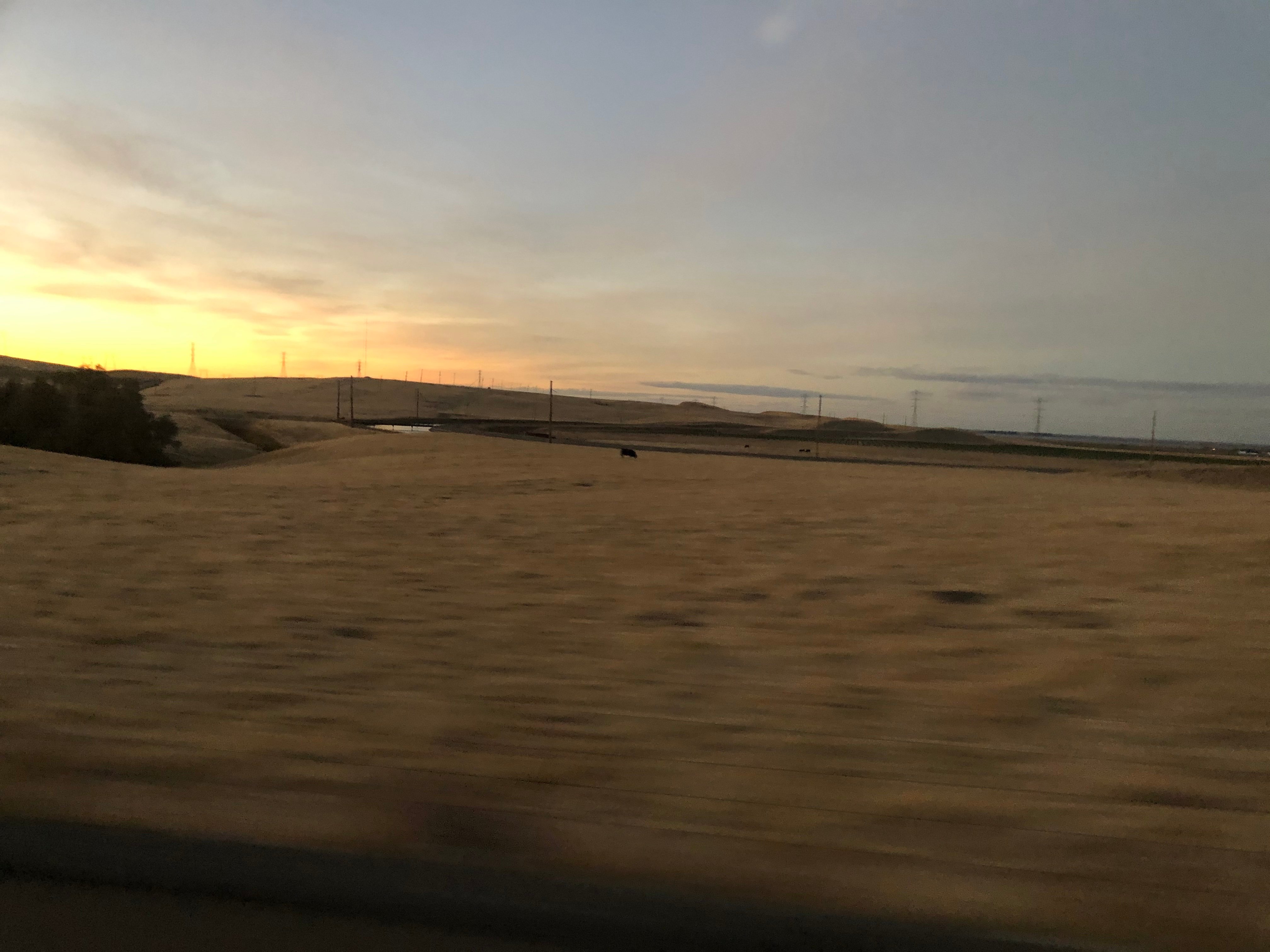
Watching the sun drop behind the Altamont hills on a Tuesday evening, the golden light spreading across the open fields along the I-580 corridor, is one of those small, wistful moments that quietly reminds you why you made the move in the first place.

Community Events Help Tracy Feel Like Home

All the practical reasons to move to Tracy — the freeway access, the school ratings, the housing value — tend to get buyers through the door. What keeps them there is something harder to put a number on. Tracy has a genuine social fabric, the kind that shows up in recurring Saturday mornings at the farmers market and summer evenings downtown where neighbors run into each other without planning to.
That social fabric is built around a calendar of events that give residents real reasons to show up and stay connected. The Tracy Downtown Association organizes several of these gatherings, and together they cover enough of the year that new residents rarely go more than a few weeks without something drawing them back to the center of the city —

  • Tracy Farmers Marketheld every Saturday from 8am to 1pm, with fresh produce, artisan goods, and local vendors that make it a weekly routine rather than an occasional outing

  • Art on the Square — every Thursday evening through the summer, featuring local artists alongside live music and art displays in a setting that feels genuinely unhurried
  • Tracy Crossroads Festival — a community staple that draws residents from across the city for food, entertainment, and the kind of shared experience that's hard to manufacture
  • Grand Irish Festival — held each March, celebrating Celtic culture with parades, music, and food that give the city a festive, distinctly local character
  • Hot August Nights — classic cars, live bands, and street festivities that carry a nostalgic energy reminiscent of small-town summer nights that many people grew up with and rarely find anymore
  • Local dining spots and gathering places — restaurants, coffee shops, and neighborhood hangouts where new residents start to recognize faces and build the quiet, unspoken familiarity that makes a place feel like yours
Showing up to enough of these events does something gradual but real — you start to see the same people, learn their names, and develop the kind of low-key social roots that don't happen from inside a house. Those roots are what turn a city into a home rather than just a location, and Tracy's event calendar gives residents a consistent way to build them without having to seek anything out deliberately.
Tracy's population has grown steadily over the years, now sitting at roughly 100,000 residents, and that growth reflects a diverse mix of families, working professionals, and longtime locals who chose to stay rather than leave when Bay Area options became available. That kind of demographic range — people at different life stages, from different backgrounds — gives the city a layered character that newer master-planned communities often lack.
Signing a purchase agreement is one decision. Waking up on a Saturday morning and walking to the farmers market because it's become part of your weekend — that's a different kind of investment entirely, and it's the one that tends to matter most a few years down the road.

Final Thoughts

Tracy has a way of staying with you. Once you've spent enough time here, you start to reminisce about the quieter pace, the space, and the sense that your dollar actually goes somewhere. That feeling is exactly what draws so many Bay Area buyers to take a closer look.
The seven reasons covered in this article - commute access, housing value, school performance, safety, transit flexibility, outdoor recreation, and community life - aren't just selling points. They're the building blocks of what daily life in Tracy actually looks like. And for buyers who've spent years watching Bay Area home prices climb out of reach, Tracy offers something rare - more square footage, more breathing room, and a real shot at homeownership without completely cutting ties to the region's job market.
That said, Tracy isn't a perfect fit for everyone. The I-205 commute can wear on you, the cost of living still runs above the national average, and the experience varies noticeably from one neighborhood to the next. Those are honest tradeoffs worth sitting with before you start scheduling showings.
The best way to figure out if living in Tracy CA makes sense for you is straightforward - stack your budget, your commute tolerance, and your family's priorities against what this city genuinely offers day to day. If those things line up, Tracy deserves a serious look.
Start by exploring neighborhoods, running the numbers, and if you want a local perspective grounded in real market experience, reach out to Eddie Rios directly.
Tracy Market Report

New to the market

Check out the hottest new listings Tracy has to offer!

View More Listings

Have you seen every house on the market?

My clients get exclusive, early access to off-market properties, giving them a head start in finding their perfect home. With my connections and insider knowledge, I open doors to homes not yet available to the public.
Join My VIP List
House-Interior-06

How's the Market?

Dive into the latest market report for your area—it's filled with valuable insights on sales and demographic trends. Just pop in your details below for instant access! Let’s work together to make your home goals a reality.

Around The Area

Browse through the top rated businesses that Tracy has to offer!

Schools In The Area

Browse local schools, complete with ratings and contact info.
Julius Cordes Elementary School 209-836-7400 Public KG-8
Jefferson School 209-835-3053 Public 5-8
Hansen Elementary School 209-836-7260 Public KG-8
Millennium Charter 209-290-0511 Public 9-12
Julius Cordes Elementary School 209-836-7400 Public KG-8
Bethany Elementary School 209-836-7250 Public KG-8
Sebastian Questa Elementary School 209-836-7230 Public KG-8
Hansen Elementary School 209-836-7260 Public KG-8
Monticello Elementary School 209-833-9300 Public KG-4
Evelyn Costa Elementary School 209-836-7280 Public KG-8
Freiler Elementary School 209-830-3309 Public KG-8
Delta Charter 209-830-6363 Public KG-12
Tom Hawkins Elementary School 209-839-2380 Public KG-8
Wicklund Elementary School 209-836-7200 Public KG-8
Primary Charter 209-290-0511 Public KG-4
South West Park Elementary School 209-830-3335 Public KG-5
Altamont Elementary School 209-836-7240 Public KG-8
McKinley Elementary School 209-830-3319 Public KG-5
Poet Christian Elementary School 209-830-3325 Public KG-8
Villalovoz Elementary School 209-830-3331 Public KG-5
Delta Home Charter 209-830-6363 Public KG-12
Delta Charter Online 209-830-6363 Public KG-12
New Jerusalem Elementary School 209-835-2597 Public KG-8
Lammersville Elementary School 209-836-7220 Public KG-8
Bohn Elementary School 209-830-3300 Public KG-5
Anthony Traina Elementary School 209-839-2379 Public KG-8
George Kelly Elementary School 209-830-3390 Public KG-8
Jacobson Elementary School 209-830-3315 Public KG-5
Hirsch Elementary School 209-830-3312 Public KG-5
North Elementary School 209-830-3350 Public KG-8
Central Elementary School 209-830-3303 Public KG-5
Delta Keys Charter 209-830-6363 Public KG-12
Tracy Independent Study Charter 209-830-3200 Public KG-12
West Valley Christian Academy 209-832-4072 Private KG-8 Website
Banta Charter 209-229-4650 Public KG-8 Website
New Jerusalem Elementary School 209-835-2597 Public KG-KG Website
Valley View Charter Preparatory 866-992-9033 Public KG-12 Website
Corral Hollow Elementary School 209-650-2885 Public KG-8 Website
Bella Vista Christian Academy 209-835-7438 Private PK-8 Website
Montessori Elementary & Middle School of Tracy 510-278-1115 Private KG-8 Website
St Bernards Catholic School 209-835-8018 Private PK-8 Website
Tracy Seventy-Day Adventist School 209-835-6607 Private KG-8 Website
Banta Elementary School 209-229-4650 Public KG-8 Website
Jefferson School 209-835-3053 Public 5-8
Julius Cordes Elementary School 209-836-7400 Public KG-8
Bethany Elementary School 209-836-7250 Public KG-8
Monticello Elementary School 209-833-9300 Public KG-4
Sebastian Questa Elementary School 209-836-7230 Public KG-8
Hansen Elementary School 209-836-7260 Public KG-8
Evelyn Costa Elementary School 209-836-7280 Public KG-8
Monte Vista Middle School 209-830-3340 Public 6-8
Tom Hawkins Elementary School 209-839-2380 Public KG-8
Delta Charter 209-830-6363 Public KG-12
Freiler Elementary School 209-830-3309 Public KG-8
Williams Middle School 209-830-3345 Public 6-8
Altamont Elementary School 209-836-7240 Public KG-8
Wicklund Elementary School 209-836-7200 Public KG-8
Primary Charter 209-290-0511 Public KG-4
South West Park Elementary School 209-830-3335 Public KG-5
Villalovoz Elementary School 209-830-3331 Public KG-5
Poet Christian Elementary School 209-830-3325 Public KG-8
Delta Home Charter 209-830-6363 Public KG-12
McKinley Elementary School 209-830-3319 Public KG-5
Lammersville Elementary School 209-836-7220 Public KG-8
Delta Charter Online 209-830-6363 Public KG-12
Discovery Charter 209-290-0511 Public 5-8
New Jerusalem Elementary School 209-835-2597 Public KG-8
Anthony Traina Elementary School 209-839-2379 Public KG-8
George Kelly Elementary School 209-830-3390 Public KG-8
Bohn Elementary School 209-830-3300 Public KG-5
Jacobson Elementary School 209-830-3315 Public KG-5
Central Elementary School 209-830-3303 Public KG-5
North Elementary School 209-830-3350 Public KG-8
Hirsch Elementary School 209-830-3312 Public KG-5
Tracy Independent Study Charter 209-830-3200 Public KG-12
Delta Keys Charter 209-830-6363 Public KG-12
St Bernards Catholic School 209-835-8018 Private PK-8 Website
Montessori Elementary & Middle School of Tracy 510-278-1115 Private KG-8 Website
Bella Vista Christian Academy 209-835-7438 Private PK-8 Website
Corral Hollow Elementary School 209-650-2885 Public KG-8 Website
Banta Charter 209-229-4650 Public KG-8 Website
Valley View Charter Preparatory 866-992-9033 Public KG-12 Website
Tracy Seventy-Day Adventist School 209-835-6607 Private KG-8 Website
Banta Elementary School 209-229-4650 Public KG-8 Website
West Valley Christian Academy 209-832-4072 Private KG-8 Website
Jefferson School 209-835-3053 Public 5-8
Julius Cordes Elementary School 209-836-7400 Public KG-8
Hansen Elementary School 209-836-7260 Public KG-8
Bethany Elementary School 209-836-7250 Public KG-8
Sebastian Questa Elementary School 209-836-7230 Public KG-8
Evelyn Costa Elementary School 209-836-7280 Public KG-8
Monte Vista Middle School 209-830-3340 Public 6-8
Freiler Elementary School 209-830-3309 Public KG-8
Tom Hawkins Elementary School 209-839-2380 Public KG-8
Williams Middle School 209-830-3345 Public 6-8
Delta Charter 209-830-6363 Public KG-12
Wicklund Elementary School 209-836-7200 Public KG-8
Altamont Elementary School 209-836-7240 Public KG-8
Poet Christian Elementary School 209-830-3325 Public KG-8
Delta Home Charter 209-830-6363 Public KG-12
Discovery Charter 209-290-0511 Public 5-8
Delta Charter Online 209-830-6363 Public KG-12
New Jerusalem Elementary School 209-835-2597 Public KG-8
Lammersville Elementary School 209-836-7220 Public KG-8
George Kelly Elementary School 209-830-3390 Public KG-8
Anthony Traina Elementary School 209-839-2379 Public KG-8
Delta Keys Charter 209-830-6363 Public KG-12
North Elementary School 209-830-3350 Public KG-8
Tracy Independent Study Charter 209-830-3200 Public KG-12
Montessori Elementary & Middle School of Tracy 510-278-1115 Private KG-8 Website
Banta Charter 209-229-4650 Public KG-8 Website
Valley View Charter Preparatory 866-992-9033 Public KG-12 Website
Corral Hollow Elementary School 209-650-2885 Public KG-8 Website
Duncan-Russell Community Day 209-830-3395 Public 7-12 Website
Bella Vista Christian Academy 209-835-7438 Private PK-8 Website
Banta Elementary School 209-229-4650 Public KG-8 Website
St Bernards Catholic School 209-835-8018 Private PK-8 Website
Tracy Seventy-Day Adventist School 209-835-6607 Private KG-8 Website
West Valley Christian Academy 209-832-4072 Private KG-8 Website
Millennium Charter 209-290-0511 Public 9-12
Kimball High School 209-832-6600 Public 9-12
Mountain House High School 209-836-7460 Public 9-12
Delta Charter 209-830-6363 Public KG-12
Tracy High School 209-830-3360 Public 9-12
Delta Home Charter 209-830-6363 Public KG-12
West High School 209-830-3370 Public 9-12
Delta Charter Online 209-830-6363 Public KG-12
George and Evelyn Stein Continuation 209-830-3395 Public 9-12
Delta Keys Charter 209-830-6363 Public KG-12
Tracy Independent Study Charter 209-830-3200 Public KG-12
Duncan-Russell Community Day 209-830-3395 Public 7-12 Website
Valley View Charter Preparatory 866-992-9033 Public KG-12 Website

Here for Every Step of Your Home Journey!

Wondering if now’s the right time to make a move? Need a trusted local pro or just some honest guidance? Wherever you are in the process, I’m here to support you with insight, care, and a personal touch. Feel free to reach out—I’d love to hear your story and help you take the next step with confidence.

Contact Me